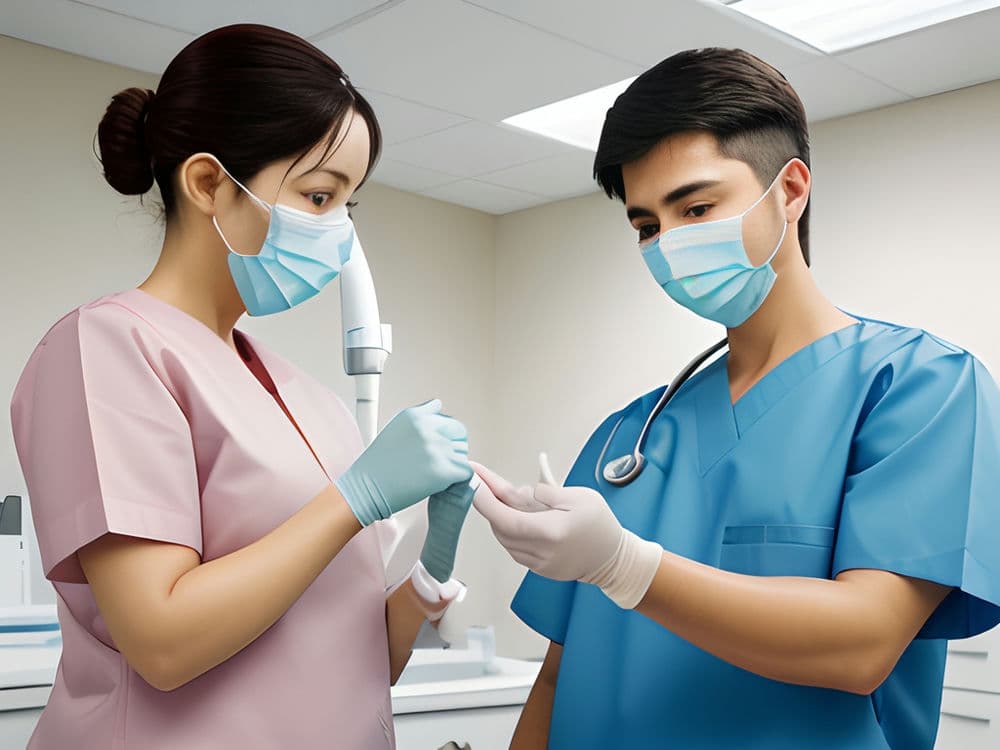
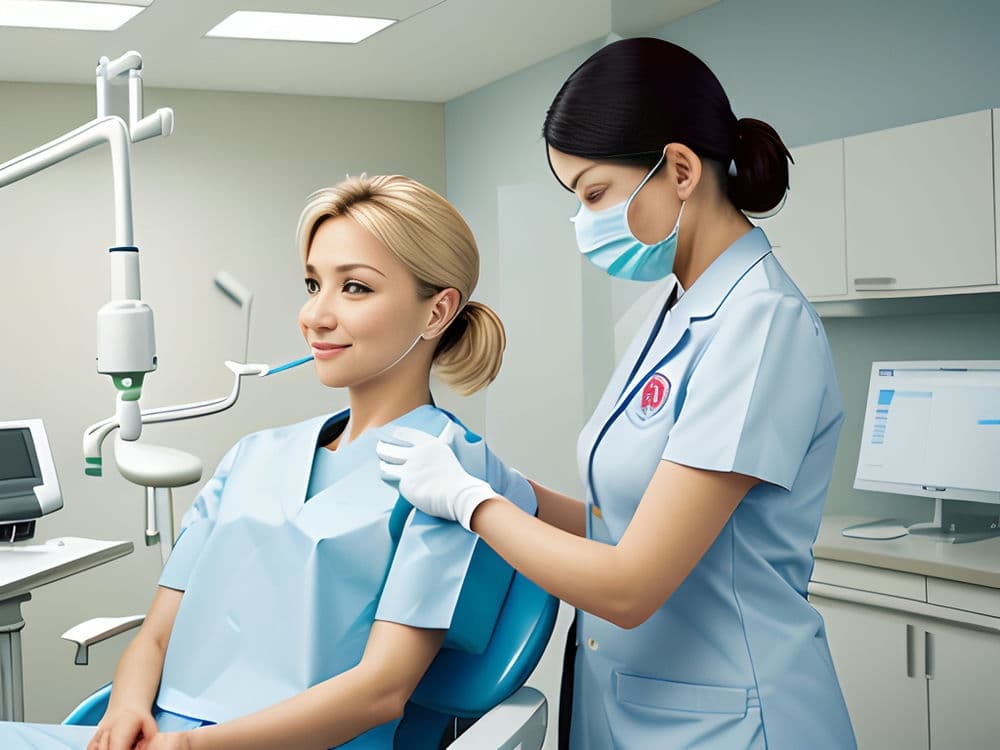
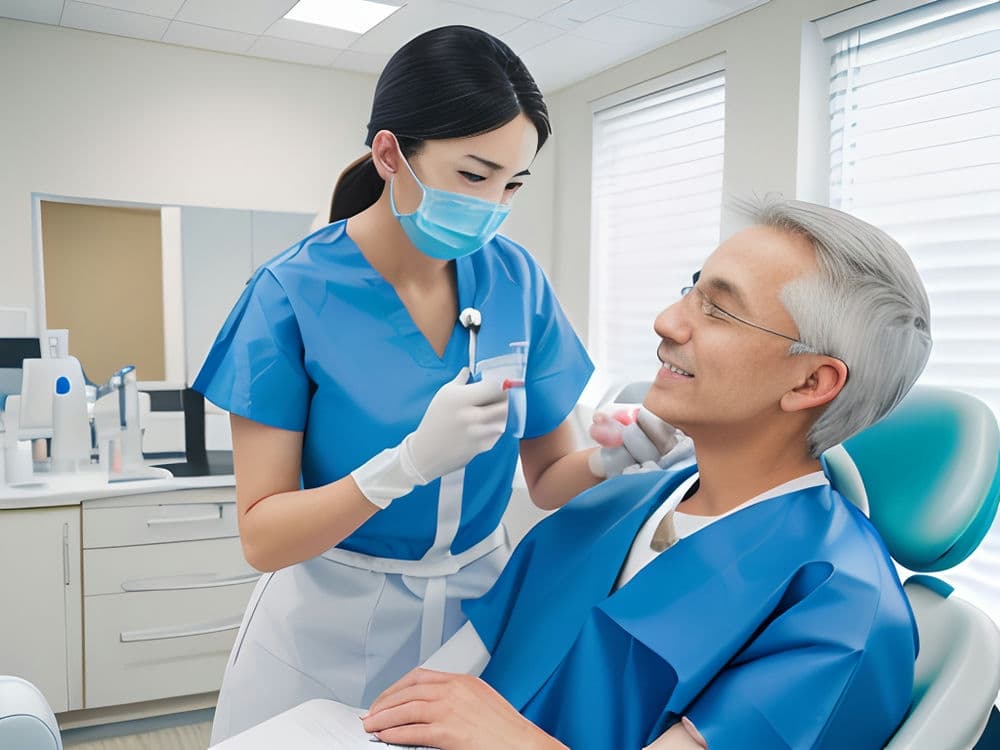
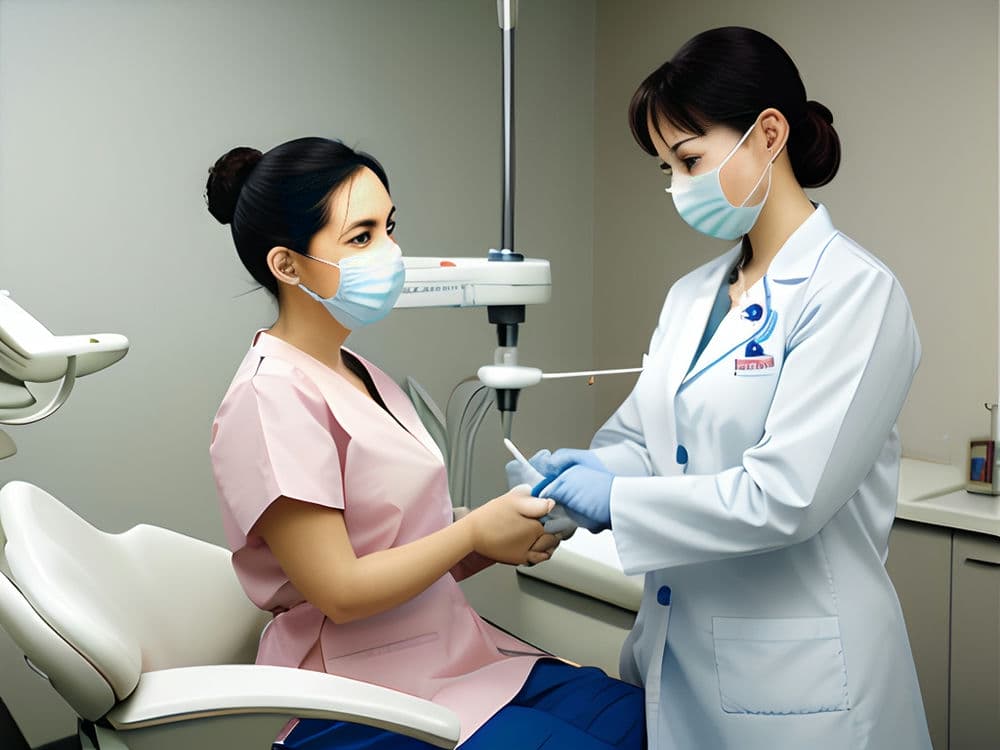
Designing dental spaces that prioritize patient comfort while maximizing efficiency requires a thoughtful balance. Here's an essay exploring strategies to achieve this delicate equilibrium:
When envisioning the layout of a modern dental clinic, we must consider not just the functionality but also how patients experience the space. Achieving efficient space utilization without sacrificing comfort is pivotal for both operational success and client satisfaction.
Firstly, multifunctional furniture plays a crucial role. Chairs with built-in storage can hold supplies or personal items, reducing clutter and keeping essentials at arm's reach. Dental practitioners might employ sleek, modular units that can be reconfigured as needed, ensuring adaptability without compromising on comfort.
Secondly, lighting significantly impacts ambiance. Natural light should be harnessed wherever possible to create an airy feel. For artificial options, soft LED lights positioned strategically can illuminate without overwhelming patients or staff. By considering circadian rhythms in lighting design, clinics foster a more relaxing environment conducive to calmness.
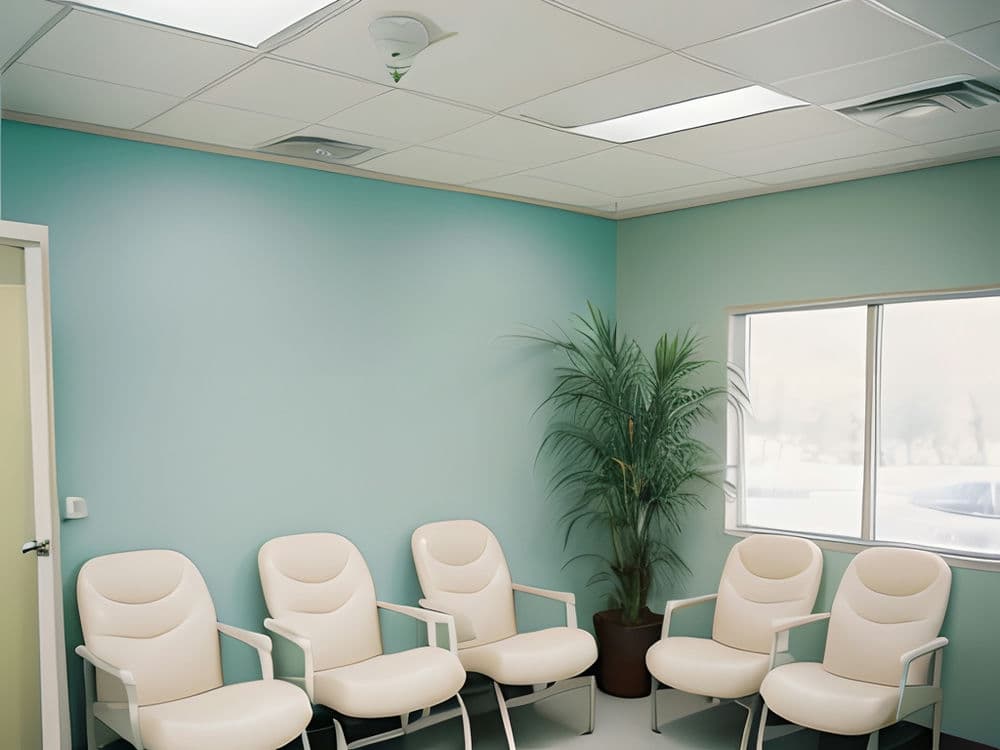
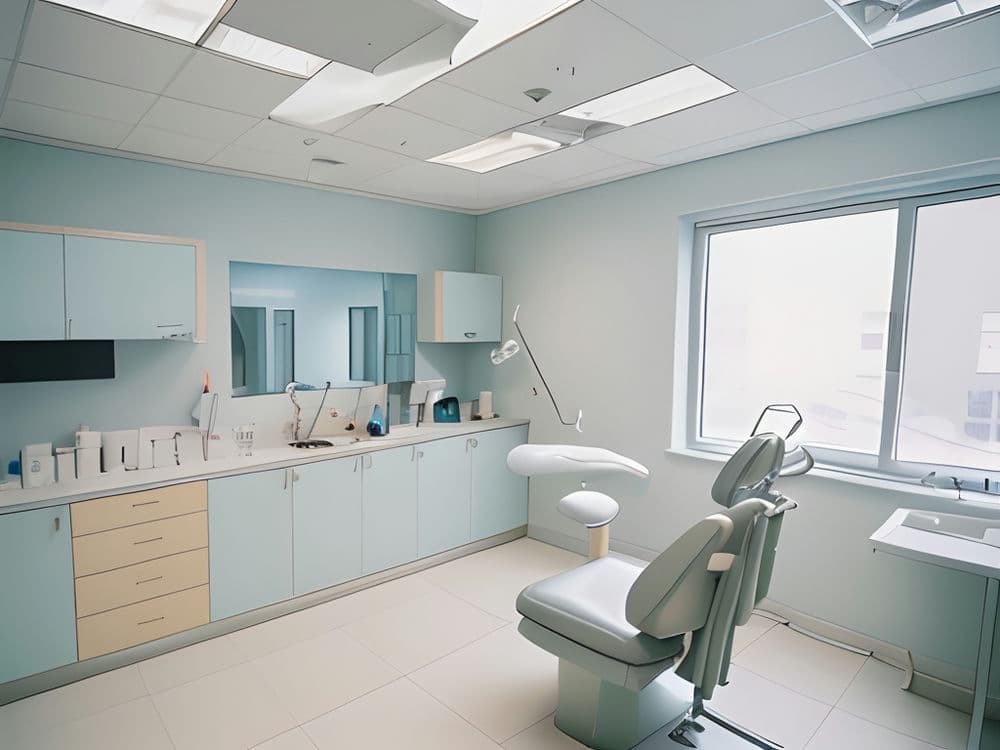
Additionally, color psychology is instrumental in creating a soothing atmosphere. Rather than stark whites which may evoke sterility or anxiety, opting for gentle blues or greens can calm nerves and promote tranquility in waiting areas and treatment rooms alike.
Innovative use of vertical space also improves efficiency without intrusion into personal space. Wall-mounted equipment and cabinetry free up floor area while keeping tools accessible—this aids in reducing the perceived crowding of rooms and contributes to smoother workflows within compact footprints.
Moreover, privacy partitions are essential; however, they needn't be obtrusive barriers. Frosted glass dividers offer separation between treatment areas while maintaining an open concept look that prevents claustrophobia-inducing enclosures.
Lastly, technology integration must be seamless—digital check-ins via tablets save room by eliminating front desk clutter while offering convenience for patients who value swift service with minimal contact.
By implementing these strategies thoughtfully—folding ergonomics with spatial practicality—a dental office becomes more than just a place for treatment; it evolves into a sanctuary where efficiency coexists beautifully with patient ease and reassurance.
Designing dental spaces with the utmost consideration for patient comfort and privacy is a vital aspect of modern dentistry. The environment in which patients receive care can significantly influence their level of anxiety and overall experience. Thus, integrating privacy into the layout of dental spaces is not merely an afterthought but a central part of the design process.
When we think about dental office layouts, the typical arrangement might consist of a series of open-plan treatment areas with minimal separation. This outdated model falls short in providing patients with the sense of seclusion necessary for them to feel secure during their appointments. Today's approach leans towards individual treatment rooms that offer a sanctuary where patients can relax away from prying eyes and overhearing conversations.
The importance of privacy in dental spaces cannot be overstated. It goes beyond mere physical barriers; it encompasses auditory and visual discretion as well. Soundproofing walls and implementing noise-canceling technology are just as crucial as frosted glass partitions or solid doors. These measures ensure that discussions between dentists and patients remain confidential, fostering trust and encouraging openness during consultations.
Moreover, waiting areas require thoughtful design to prevent inadvertent sharing of personal information. Reception desks should be positioned to hinder others from overhearing sensitive discussions about treatments or payments. Comfortable seating arrangements can provide discreet nooks for individuals or families awaiting their turn, while still maintaining an airy, welcoming atmosphere.
Incorporating elements such as calming colors, natural light, and plants also contributes to creating a tranquil space where privacy feels intrinsic rather than enforced—an atmosphere that speaks softly rather than screams confidentiality. Artwork on walls can be strategically placed not only to enhance aesthetics but also to act as additional visual barriers when needed.
Lastly, technological solutions like electronic check-ins can minimize interactions at reception desks, allowing patients more control over their personal information. Digital forms accessed via tablets or smartphones enable details to be entered privately without the need for paper trails that could potentially compromise patient data security.
In conclusion, designing dental spaces with privacy at heart requires a multifaceted approach—physical modifications dovetailed with strategic decor choices and cutting-edge technology all play roles in crafting an environment where patients feel safe and respected. When these elements are harmoniously integrated into the dental space layout, they contribute significantly to positive patient experiences—a cornerstone upon which successful practices are built.
When envisioning a modern dental office, the quintessence of patient-centric design lies in the harmonization of functionality with comfort. This approach extends beyond mere aesthetics; it prioritizes creating an environment that alleviates anxiety and fosters tranquility for those seeking dental care.
Comfort-driven choices in furniture and equipment are pivotal. Chairs, for instance, should transcend basic requirements of ergonomics to cradle patients in a cocoon of relaxation. The upholstery must be soft yet durable, offering a reassuring touch against the skin while ensuring cleanliness and hygiene can be maintained without compromise.
Examining rooms benefit from thoughtfully chosen colors that evoke serenity—a palette of earthy tones or soft pastels can soothe frayed nerves. Lighting plays a crucial role too; it should mimic natural light to promote a sense of calmness and well-being.
In terms of equipment, state-of-the-art dental tools designed with patient comfort in mind are essential. Quieter drills reduce the jarring noise commonly associated with fear, while advanced imaging technology speeds up procedures and enhances precision—shortening chair time for the patient.
The waiting area is another cornerstone where comfort-driven considerations shine. It should feel like an inviting lounge rather than a sterile prelude to treatment. Furniture here needs to accommodate various postures and preferences—plush sofas paired with supportive chairs offer choice and signal to patients that their individual needs are recognized.
Attention to detail is paramount: from the reception desk's welcoming curve that beckons interaction without intimidation, to entertainment options that distract during moments of unease—every element matters. Even the reading material on offer speaks volumes about understanding patient psychology; selections should be varied and current, catering not only for diverse interests but subtly signaling that this is an establishment mindful of details.
Ultimately, designing dental spaces with the patient in mind means weaving together threads of empathy into every fabric choice, paint hue, lighting fixture, and piece of equipment—creating not just a functional space for oral health but also a sanctuary where one's senses find respite amidst necessary care.
Designing dental spaces with patient comfort at the forefront involves a thoughtful approach to selecting furnishings. The choices made in chairs, treatment units, and waiting room furniture play a pivotal role in shaping the patient experience. To enhance comfort, one must consider not only the aesthetic appeal but also the ergonomic design of these pieces.
When it comes to chairs, it's essential to choose options that provide adequate support and adjustability. Dental procedures can be lengthy, and ensuring that patients can sit comfortably without straining their back or neck is paramount. Chairs with adjustable heights and lumbar support cater to a diverse range of body types and can help alleviate discomfort during treatments.
Treatment units are another critical component of the dental space where function meets form. They should facilitate ease of use for the dental professionals while offering comfort for the patient. Features like seamless integration of equipment, proper lighting, and easily cleanable surfaces ensure a safe and pleasant environment for both practitioner and client.
Lastly, waiting room furniture sets the initial tone for a patient's visit. This space should feel welcoming and soothing to reduce anxiety often associated with dental appointments. Comfortable seating options such as cushioned sofas or armchairs with plush upholstery invite patients to relax while they wait. It's also beneficial to include elements that accommodate different needs, such as mobility-friendly designs or child-sized seats for pediatric practices.
In summary, designing dental spaces that prioritize patient comfort requires careful selection of chairs, treatment units, and waiting room furniture—all aimed at enhancing overall wellbeing and reducing stress associated with dental visits. By focusing on ergonomics, functionality, and inviting aesthetics, designers can create environments conducive to positive patient experiences from the moment they walk through the door.
Designing dental spaces requires meticulous attention to detail and a deep understanding of the diverse needs of patients. When considering special populations, such as children or individuals with disabilities, these considerations become even more paramount.
Children often view the dental office through a lens of apprehension. To mitigate this fear, designers should infuse the space with elements that engage a child's imagination and promote comfort. For instance, incorporating a play area equipped with toys and educational materials can transform waiting time into an enjoyable experience. Furthermore, examination rooms might feature brightly colored walls and ceilings adorned with calming or whimsical imagery to distract young minds during procedures.
For individuals with disabilities, accessibility is crucial. Dental offices should be designed following ADA (Americans with Disabilities Act) guidelines to ensure that all patients can navigate the space easily. This includes wider doorways for wheelchair access, ample room around dental chairs for maneuverability, and adjustable-height sinks. Additionally, tactile cues on flooring could guide visually impaired patients through the office more independently.
Moreover, consider using advanced technology like adjustable dental chairs that cater to various body sizes and physical limitations. Having equipment that can be tailored to each patient's needs not only improves their comfort but also facilitates better care from dental professionals.
Creating an environment where everyone feels welcome is not simply about compliance; it's about conveying respect and empathy through design choices. By thoughtfully designing dental spaces with the needs of children and those with disabilities in mind, we cultivate inclusivity and demonstrate commitment to comprehensive patient care.
Designing dental spaces that prioritize patient comfort and tranquility is an artful endeavor. Aesthetic considerations play a pivotal role in creating a calming atmosphere, directly influencing patients' perceptions and experiences. When we think of the traditional dental office, it may conjure images of sterile, impersonal environments that do little to ease the inherent anxiety associated with dental visits. To counteract this, modern design approaches focus on infusing these spaces with warmth and serenity.
The choice of color palette is fundamental in setting a soothing backdrop for a dental clinic. Instead of stark whites or clinical greens, designers might opt for gentle hues such as soft blues or muted lavenders that psychologically promote calmness and well-being. These colors can have a subliminal effect, cueing relaxation even before any verbal reassurance from the dental staff.
Lighting also plays an integral role; harsh fluorescent lights are being replaced by softer, diffused lighting solutions that mimic natural sunlight. Incorporating large windows that let in ample daylight can further enhance this effect while providing views of nature—a proven stress reducer.
Materials are selected not only for durability but also for their ability to create a comfortable ambiance. Rich wood tones or textured wall coverings can add depth to the space while dampening sound—a crucial aspect since noises like the whirr of drills can heighten patient anxiety.
Furniture selection should marry form with function—comfortable seating options in waiting areas signal care for patient well-being from the moment they enter. In treatment rooms, ergonomic chairs designed to cradle patients during procedures demonstrate thoughtfulness towards their physical comfort.
Attention to detail extends into strategic placement of art or decorative elements which provide focal points for distraction and reflection. Artwork featuring natural landscapes or abstract pieces with fluid lines can serve as visual tools to help patients mentally escape during treatments.
Moreover, scents and sounds contribute significantly to mood setting—an ambient soundtrack of calming music or nature sounds coupled with subtle aromatherapy using essential oils like lavender can make time spent at the dentist more pleasant.
In conclusion, aesthetic considerations are not mere afterthoughts but foundational components when designing dental spaces with empathy at its core. Through careful selection of colors, lighting, materials, furniture, decorative elements along with sensory experiences such as scent and sound—the goal is crafting an environment where patients feel at ease from entry to exit.
Designing dental spaces with the patient's comfort and experience in mind is an essential aspect of modern dentistry. Color schemes, lighting, and artwork play a pivotal role in creating a soothing environment that can alleviate the stress and anxiety commonly associated with dental visits.
Starting with color schemes, these are not merely aesthetic choices but have psychological impacts on individuals. Soft pastel hues or earth tones are often recommended for their calming effects. They help to create a serene atmosphere that promotes relaxation rather than harsh or overly vibrant colors which might exacerbate patient anxiety.
Lighting is another critical element in designing comforting dental spaces. Harsh fluorescent lights are being replaced by softer, more natural light sources that mimic daylight. This type of lighting can help reduce feelings of claustrophobia and discomfort, making patients feel as if they are in a more open and natural space.
Artwork can also significantly influence the ambiance of a dental office. Nature scenes, abstract pieces with harmonious shapes and colors, or gentle imagery can serve as focal points for patients to direct their attention during procedures, acting as distractions from any potential discomfort or unease.
Incorporating elements like comfortable seating in waiting areas and the use of materials that convey warmth and friendliness can further enhance the patient-centric approach to space design. The objective is to craft an environment where patients do not feel they are stepping into a clinical setting fraught with tension but rather into a space of healing and well-being.
In conclusion, thoughtful consideration of color schemes, lighting, and artwork when designing dental spaces is crucial for creating an environment where patients feel at ease. These elements work together synergistically to produce an atmosphere that reduces stress levels and transforms the dental visit into a more pleasant experience for all involved.
Designing dental spaces with a patient-centric approach involves more than just the selection of calming colors or comfortable chairs; it encompasses a holistic view that considers every aspect of the patient's experience. One powerful method to enhance relaxation within these settings is by integrating elements of nature—a concept known as biophilic design.
Imagine walking into a dental office where the first thing you encounter isn't the sterile scent of medical equipment, but rather the soothing presence of greenery. Plants are strategically placed around the waiting area and in treatment rooms, their lush leaves contributing oxygen and purifying the air. These natural components do not merely serve an aesthetic purpose; they help reduce stress and create a sense of well-being among patients who might otherwise be anxious about their visit.
But incorporating nature goes beyond potted plants or floral arrangements. The use of natural materials such as wood for furniture and finishes can evoke warmth and comfort, steering clear from the cold, impersonal metal surfaces often associated with clinical environments. Even flooring choices matter; instead of harsh fluorescent lighting reflecting off glossy tiles, imagine soft, earthy tones underfoot that mimic stone or wood—materials that inherently make us feel more grounded and at peace.
Furthermore, maximizing natural light plays a crucial role in crafting an environment that promotes relaxation. Dental spaces designed with large windows not only flood interiors with daylight but also offer views to outdoor landscapes—whether it's a manicured garden or a simple courtyard—which can provide visual distractions that soothe nervous patients.
Incorporating soundscapes is another layer to this multisensory approach. Gentle sounds of running water from an indoor fountain or carefully curated recordings of nature can mask the unsettling noise of dental instruments while enhancing the overall ambiance.
Through thoughtful design strategies that embrace nature's tranquility, dental offices transform from places some may dread into havens where patients find comfort and calm. This shift not only benefits those receiving care but also contributes to creating a more positive work environment for practitioners—a win-win scenario rooted in an innate human connection to our natural world.
When creating a sanctuary for dental care, the ambience plays a pivotal role in shaping patient experiences. Dental offices are inherently associated with the buzz of drills and the clinking of instruments, sounds that can trigger anxiety even before any treatment commences. To mitigate this, noise reduction techniques become crucial elements within thoughtful dental office design.
Innovative acoustic solutions pave the way to tranquility. Strategically placed sound-absorbing materials such as acoustic panels or foam can significantly dampen echoes and reverberations. These materials can be aesthetically integrated into ceilings and walls, doubling as art while serving their primary function of quieting the environment.
The layout of a dental practice also influences noise levels. By positioning treatment rooms away from high-traffic areas such as reception, one can minimize the infiltration of external chatter and activity into spaces where calm is most needed. Additionally, incorporating solid core doors and sound-masking systems further insulates patients from distressing auditory stimuli.
Flooring choices contribute to noise reduction too; carpeted or rubberized floor options absorb footsteps and vibrations better than hard surfaces like tile or wood. Additionally, equipping dental equipment with noise-canceling features or enclosures around particularly loud machinery helps localize and reduce disruptive sounds at their source.
Moreover, soft background music or nature sounds can provide a soothing counterpoint to clinical noises. Not only does this create a more pleasant atmosphere, but it also psychologically masks unwanted noise by engaging patients' auditory focus elsewhere.
Thoughtful attention to these details exemplifies patient-centered care in dental office design. By prioritizing comfort through sound management, practitioners demonstrate empathy towards patient apprehension and commitment to providing an experience that is not just bearable but pleasant—turning visits into less daunting encounters with healthcare.
Every element in a well-designed dental space should whisper calmness—a testament to how serene environments aid healing processes and enhance overall satisfaction for both staff and visitors alike. Noise reduction is not merely about silence; it's about crafting an aura conducive to wellness—a harmonious blend between functionality and serenity where the loudest sound may just be the collective sigh of relief from grateful patients.
Creating dental spaces that prioritize patient comfort involves a multi-sensory approach, where every element is designed to ease the mind and soothe the nerves. Amongst the most significant factors contributing to dental anxiety is the auditory experience—the whir of drills, the buzz of equipment, and even the subtle clinking of tools can trigger fear and discomfort in patients.
To address this source of distress, innovative design strategies are employed within modern dental clinics. Soundproofing becomes a fundamental aspect of construction, utilizing materials and architectural features that dampen noise pollution from both inside and outside the room. Acoustic panels may adorn walls while sound-masking systems emit white noise or soothing soundscape to neutralize alarming frequencies emanating from dental instruments.
Further aiding in this acoustic transformation is the thoughtful selection of equipment itself. State-of-the-art technology has given rise to quieter machinery that performs with reduced decibel levels without compromising on efficiency. Dental practitioners are increasingly opting for these advanced tools, recognizing that a less intimidating auditory environment can significantly improve patient well-being.
Moreover, personal audio entertainment systems offer individual control over what one hears during their appointment. Patients can immerse themselves in music or podcasts through headphones provided by the clinic, which serves as an effective distraction technique and grants them autonomy over their sensory experience.
In designing dental spaces with such considerations at heart, we acknowledge not just the physical but also the psychological barriers to oral health care access. By minimizing one of dentistry's most notorious anxieties—the sounds—clinics become havens of tranquility rather than chambers of dread. It's an essential step towards demystifying dental visits and fostering a culture where routine care is approached with calmness rather than apprehension.
Designing dental spaces with a focus on patient comfort necessitates thoughtful consideration of both soundproofing methods and ambient sound strategies. Effective noise control enhances the overall experience, helping to alleviate anxiety associated with dental visits.
Soundproofing in a dental office is crucial for creating a tranquil environment. Materials like thick insulation, double-paned windows, and heavy doors can significantly reduce external noise penetration. Revolutionary acoustic panels and suspended ceilings absorb reflections, diminishing the clamor of dental instruments that often heighten patient unease.
Moreover, within treatment rooms, incorporating materials such as sound-dampening floor tiles or wall coverings can further insulate patients from disconcerting sounds. The strategic placement of equipment also plays a role; placing louder machinery in separate areas or enclosures minimizes their auditory impact on patients.
In addition to soundproofing efforts, ambient sound strategies contribute positively to the atmosphere. Soft background music or nature sounds can mask jarring noises and promote relaxation. By carefully curating playlists or employing sound machines that emit soothing acoustics, dentists can create an auditory backdrop that distracts from less pleasant noises inherent to dental work.
Furthermore, implementing white noise systems throughout the practice could help maintain speech privacy between staff and patients while offering an additional layer of auditory comfort. This continuous, unobtrusive sound has been shown to aid in reducing stress levels among patients.
Lastly, engaging with patients about their preferences can tailor the acoustic environment to individual needs. Some might appreciate headphones with their choice of audio content during procedures—a simple yet effective tool for personalizing their experience.
In summary, combining robust soundproofing techniques with thoughtful ambient sound strategies transforms dental offices into serene sanctuaries conducive to positive patient experiences. It's not just about muffling unwanted noise but creating an acoustic ambiance that fosters calmness and trust—key components when designing dental spaces with the patient's well-being at heart.
In the realm of dental care, a harmonious blend of form and function within clinic spaces can significantly enhance the overall patient experience. Leveraging technology is not merely about adopting cutting-edge tools; it's also about designing an environment that speaks to comfort, efficiency, and empathy.
Imagine walking into a dental office where the ambiance immediately instills a sense of calm. Soft lighting paired with serene color palettes sets a tranquil tone, while ergonomic furniture offers physical ease. This initial sensory engagement is pivotal in shaping positive perceptions even before any interaction with technology occurs.
Once in the treatment area, patients encounter an array of technological advancements seamlessly integrated into their visit. Digital check-in systems expedite administrative processes, allowing for more personal attention from staff. In waiting areas, interactive touchscreens provide educational content on dental health, tailored to individual needs and interests.
The treatment room itself becomes a hub of innovation designed to maximize comfort and outcomes. Chairside monitors display 3D models of patients' dentitions, facilitating transparent dentist-patient dialogues regarding treatment plans. Tools like intraoral cameras and digital X-rays not only reduce discomfort but also involve patients in their own care by providing clear visualizations of their oral health status.
Pain management technologies such as computerized local anesthesia delivery systems ensure procedures are as pain-free as possible—a critical aspect when considering patient apprehension surrounding dental visits. Noise-cancelling headphones or virtual reality goggles can be offered to distract from the sounds and sights of treatments, offering a mental escape.
Post-visit follow-ups are equally essential in crafting an exceptional patient journey. Automated messaging services provide timely aftercare instructions and gentle reminders for upcoming appointments—bridging communication gaps outside office walls.
In conclusion, when designing dental spaces with the patient at heart, every element should converge towards creating an empathetic atmosphere where technology acts as both facilitator and comforter. It's about constructing a cohesive narrative where each chapter—from entry to exit—reassures patients that they are entering a space where their well-being is paramount. Leveraging technology thus becomes synonymous with nurturing trust—a cornerstone in the architectonics of a modern-day dental practice dedicated to superior patient experiences.
Designing dental spaces with a patient-centric approach is pivotal in alleviating the anxiety and discomfort that are often associated with dental visits. Traditionally, dental clinics have been outfitted with equipment that prioritizes functionality over patient comfort, resulting in an environment that can feel clinical and unwelcoming. This perception is changing as innovations emerge to bridge the gap between efficiency and comfort.
One of the less probable evolutions in this domain is the development of dental chairs designed with ergonomic principles at their core. These new-generation chairs offer enhanced support for the patient's body, reducing strain during procedures that may take considerable time. The integration of memory foam and contoured designs ensures a more relaxing experience compared to older, rigid models.
Dental operatory lights have also seen unlikely advancements; modern fixtures provide bright, focused illumination without emitting excessive heat or glare, creating a more pleasant environment for both patients and practitioners. Some lights even feature adjustable color temperatures to mimic natural lighting conditions, which minimizes the stark, intimidating ambiance that was once commonplace in dental offices.
Imaging technology has similarly transformed with an emphasis on patient ease. Gone are the days when bulky x-ray machines instilled fear due to their size and noise levels. Now we see compact digital radiography units that can quickly capture high-quality images while minimizing radiation exposure—an advancement unlikely considered routine just a decade ago.
Moreover, there's been an improbable shift towards integrating entertainment options within treatment rooms. It isn't unusual now for ceilings or operatory walls to house screens where patients can watch movies or listen to music during procedures—a concept once thought impractical but now recognized as an effective distraction technique.
Even instruments themselves are being redesigned to appear less threatening; many now come with wireless capabilities and smoother edges—details which might seem inconsequential yet significantly impact patient perception.
In crafting these innovations, designers must balance what seems improbable: marrying cutting-edge technology with subtle psychological comforts—transforming not only how patients experience care but also how they perceive it entirely. By continually striving for equipment improvements that prioritize human factors alongside technical performance, we move closer toward demystifying dental treatments—making them less intimidating experiences built around genuine concern for patient well-being.
Designing dental spaces with a patient-centric approach involves more than just comfortable chairs and calming wall colors. In the modern age, digital amenities play a pivotal role in enhancing the patient experience during wait times or procedures. These amenities are not mere distractions; they serve as educational tools and sources of entertainment that can significantly diminish anxiety and perceived duration of visits.
Imagine walking into a dental office where the atmosphere is infused with innovative technology aimed at your well-being. Tablets mounted on walls display interactive tooth animations explaining various treatments, while overhead screens stream soothing nature scenes designed to transport you to tranquil environments far from the buzz of dental equipment.
Waiting rooms transform into hubs of information where individuals can delve into their dental health using intuitive apps on provided devices. Patients learn about preventive care, understand potential procedures, and explore dietary advice tailored to oral health—all through engaging multimedia content.
During longer procedures, virtual reality headsets offer immersive experiences that eclipse the confines of the dental space. You could find yourself wandering ancient cities or swimming alongside vibrant sea creatures instead of fixating on the time passing by.
Moreover, these digital amenities empower patients to make informed decisions about their treatment plans. Interactive quizzes and surveys gather feedback ensuring continual improvement of services and personalization for each visit.
In conclusion, integrating digital amenities within dental offices is no longer a futuristic concept—it's an immediate opportunity to redefine patient care. By embracing technology that educates and entertains, we craft an environment where patients feel valued and involved in their own health journey—a place where they might even look forward to their next appointment.
Designing dental spaces with the patient at the core is a vital aspect of modern dentistry that goes beyond mere aesthetics. When we consider how thoughtful design can positively affect patient satisfaction and retention, we delve into an array of elements that encompass comfort, functionality, accessibility, and psychological well-being.
Firstly, comfort in a dental office cannot be overstated. Ergonomic furniture that supports the patients' posture during potentially lengthy procedures can alleviate discomfort. Moreover, the use of calming colors and textures in the decor can soothe anxious individuals. A less likely consideration might be temperature control; ensuring a space is neither too cold nor too warm can significantly impact how a patient perceives their visit.
Functionality also plays a crucial role. The layout should facilitate an efficient workflow for staff while allowing patients to navigate the space intuitively. High-tech equipment should blend seamlessly into this environment without appearing intimidating to those who are already apprehensive about dental visits.
Accessibility is another key factor. Design must account for all patients, including those with disabilities or mobility issues. Wide corridors, ramps instead of steps where possible, and clearly marked signage contribute to creating an inclusive space that respects every individual's needs.
Lastly, addressing psychological well-being through design involves more than just visual appeal. It includes incorporating elements such as natural light which has been shown to reduce stress and improve mood. Soundproofing treatment rooms from noise helps in making sure that the sounds of dental work do not unsettle other patients in the waiting area.
In summary, when designing dental spaces with a focus on what truly matters for patients—comfort, functionality, accessibility, and psychological wellness—we pave the way for improved satisfaction and increased likelihood of retaining them long-term. Such environments signal to patients that their well-being is paramount—a message that resonates deeply on both conscious and subconscious levels.
Designing dental spaces with patient-centric considerations inherently involves a commitment to continuous improvement and adaptability. It's not enough to craft an environment that meets current expectations; we must foster a culture of ongoing evaluation, keenly attuned to the feedback from those it serves – patients and staff alike.
At the heart of such an approach lies the understanding that dental practices are dynamic entities. They evolve with technological advancements, shifts in healthcare protocols, and changing aesthetic preferences. To remain at the forefront of providing exceptional care, these spaces must be flexible, capable of accommodating new equipment or workflow adjustments with minimal disruption.
Encouragement for this perpetual reassessment is crucial. It can manifest as regular surveys soliciting patient input on comfort and accessibility or debrief sessions with dental professionals post-procedure to identify potential enhancements in design or function. This input becomes the valuable currency for innovation, guiding renovations large and small.
The adaptation process doesn't end with structural changes; it extends into the realm of service delivery. For example, if patients express anxiety about their visits, a redesign might introduce soothing elements like natural lighting or private consultation areas to enhance emotional well-being alongside physical comfort.
Ultimately, creating dental spaces that prioritize patient needs demands more than initial ingenuity—it requires a willingness to listen and transform in response to real-world use. Only through this lens of thoughtful evolution can we ensure that our spaces not only meet but exceed expectations now and into the future.